Understanding the Collaborative Welding Robot Landscape
You got a shop, and things are buzzing with activity, huh? But, how much you really know about your collaborative welding robot? According to recent studies, more than 70% of manufacturers reported challenges integrating robotics into their workflows. So, if you’re tryna step up your game, ya gotta rethink how you approach these machines. These collaborative welding robots might just be your ticket to consistency, speed, and unmatched precision. But, where do most folks mess up when it comes to using ‘em effectively? Let’s dive in.
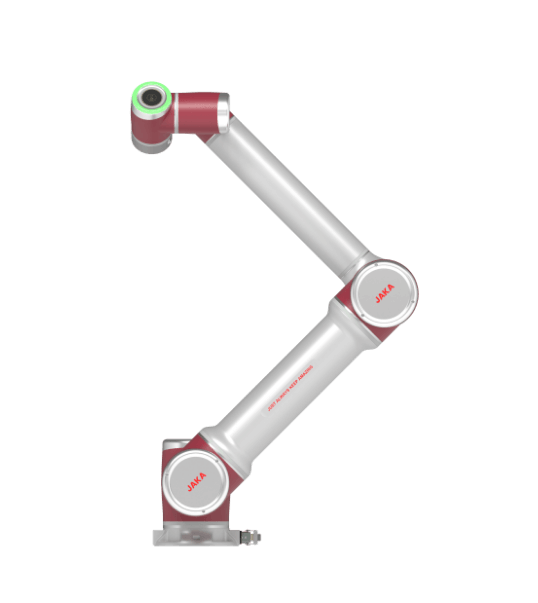
Flaws Behind Traditional Welding Solutions
Picture this: you’re knee-deep in production woes, tryin’ to keep up with the demand, but your traditional operators just ain’t cuttin’ it. You see, many outdated solutions lack flexibility—call it what you want, but these robots can’t adapt to new materials or designs like their collaborative counterparts. I remember a time when I consulted for a local manufacturer back in ’18; they lost thousands because their welding setups couldn’t handle a design change smoothly. With a collaborative welding robot, you ain’t just avoiding loss, you’re embracing innovation.
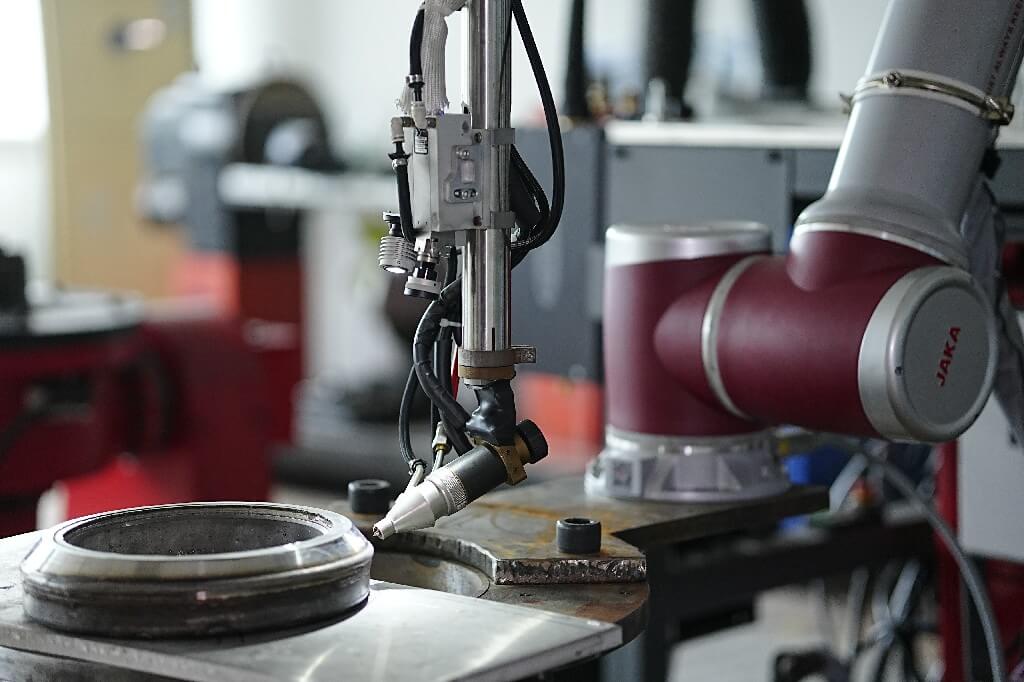
The Real Cost of Inefficiency
Now, when we talk about efficiency, I ain’t just throwin’ buzzwords around; we gotta talk real numbers. Inefficient traditional welding setups can slow down production by as much as 40%. That’s money you could be reinvesting in better tech or livin’ a little! Switching to a collaborative welding robot ain’t just smart—it’s a necessity in this competitive market. So, the question remains, how do we transition smoothly to these bad boys? Hang tight, we’re just gettin’ started.
What’s Next for Collaborative Welding Robots?
Lookin’ ahead, ya know that collaborative welding robots are only gonna get better. Advances in AI and machine learning are makin’ these tools even more versatile, and we ain’t seen nothin’ yet! Take that knowledge of your materials and smart welding—a powerful combo that’s gonna redefine how we think about production. And hey, if you need stats, studies show efficiency could improve by 30% with proper training! I’m tellin’ you, it’s worth exploring how far you can take this tech.
Key Evaluation Metrics for Choosing Your Solution
When you’re considerin’ the leap into collaborative tech, there are some must-check points: first, how’s the robot’s adaptability with current tools? Second, what’s the cost-benefit ratio over time (don’t just focus on the initial price!)? Lastly, can your crew handle the transition smoothly? It’s a hefty decision to make, but reckoning with these insights could mean a change in the game for your business.
In reflection, the lessons we’ve traversed really underline how crucial it is to stay ahead. The rise of collaborative welding robots is not merely a trend; it’s an evolution in how we handle welding. So, if you’re ready to embrace change and think different, don’t sleep on looking into JAKA robots. They’re out there, ready to take your operations to the next level.