Why Shape, Fit, and Flow Matter More Than You Think
Here’s the real-world moment: You’re prepping a launch, samples arrive on Friday, and the cap feels loose on half the batch. Square perfume bottles sit on the table, look sharp, but whisper trouble. Industry snapshots suggest up to 22% of packaging complaints trace back to closure fit or minor glass variance—kweli, small gaps create big losses. So what’s going on behind the scenes, and how do we compare options without guesswork?
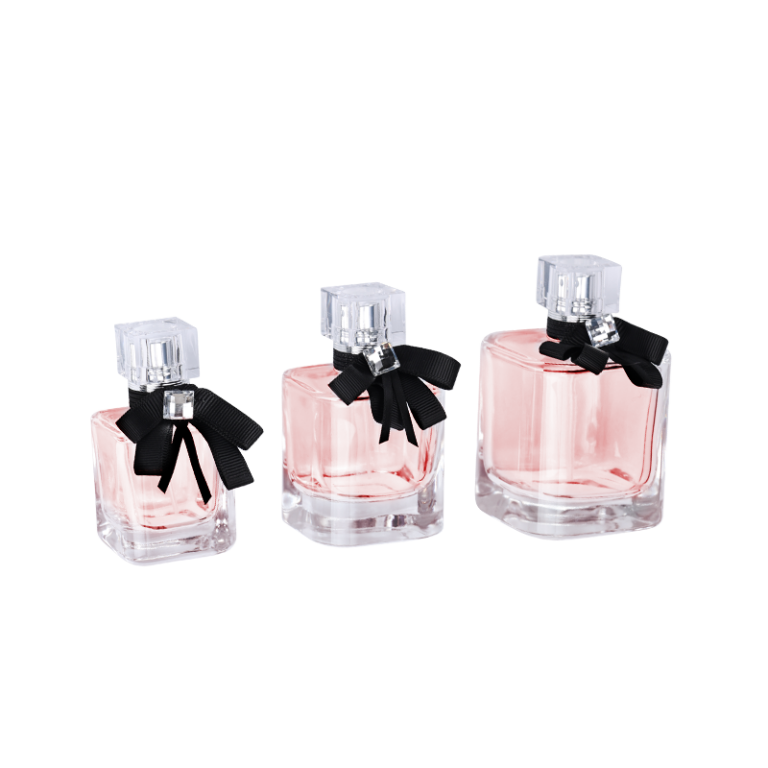
We’ll look at how geometry, glass cooling, and finish precision affect leak rates, brand feel, and rollout timing. We’ll also compare old norms with newer practices that prevent edge-chipping, mis-crimps, and micro-leaks. (Yes, “micro-leak” is a thing.) Along the way, we’ll keep it simple and straight. Direct. Then we’ll map the steps that turn a rough mold into a shelf-ready square bottle—plus how to judge factories on more than price. Sawa—let’s move to the nuts and bolts next.
Hidden Pain Points in Sourcing from Square Bottle Makers
What’s the real bottleneck?
When buyers scan square glass perfume bottles factories, they often miss one layer: the stack of tiny tolerances from mold to crimp. Look, it’s simpler than you think. The square shoulder stresses the neck if cooling isn’t even. If the annealing lehr runs a touch hot, you risk warp. If the CNC mold is worn, the crimp finish drifts. That drift meets a pump that expects a tight spec, and boom—micro-leak under transport. These are not flashy problems, but they cause returns. And they rarely show up in a single golden sample.
Traditional fixes lean on heavier glass or thicker gaskets. Those band-aids add cost, weight, and emissions, without solving root causes. The pain points hide in QC sampling that’s too shallow, or in vision systems tuned for round bottles, not square edges. Add one more layer: decorating. A spray coating line with weak ion-exchange prep can chip under cap torque. Then your atomizer pump passes a torsion test in the lab, but fails after a week on shelf. Better signals to watch: neck finish CPK, baffle design for stress relief, and tolerance stack-up reports tied to each lot—funny how that works, right?
Comparative Insight: What New Lines Change—and How to Judge Them
What’s Next
Forward-looking plants build square bottles using tighter process control, not guesswork. New technology principles matter here. Digital twins of the mold let teams simulate heat flow and corner stress before steel is cut. Inline vision no longer checks only diameters; it maps flatness and bevel uniformity across all faces. Servo-controlled crimp testers verify seal integrity under real torque, not just static pull. Even power converters on the line stabilize heater loads so the annealing curve stays true. In short, the system treats a square as a square, not a disguised circle. When you see a vendor for a china square perfume glass bottle, ask how they tune cooling at edges versus faces—small answers reveal big capability.
Case results are telling. Brands shifting from mass-market round to premium square cut defects by half when factories added neck-geometry FEA, cap compatibility matrices, and stricter CPK on crimp finishes. Lead times also stabilized because scrap dropped. The lesson isn’t “go fancy”; it’s “control the square.” Compared to older lines, the new setups tie each lot to a digital record: mold ID, annealing profile, and QC sampling results you can audit. That means fewer surprises after filling and cartoning—less rework, fewer late-night calls. And still, aesthetics stay clean: uniform shoulders, smooth bevels, consistent spray-coat adhesion. Different path, same goal—reliability with style.
Advisory close: when choosing partners, use three metrics. 1) Process capability: neck and crimp finish CPK over time, not one-off. 2) Verification stack: vision rules for square faces, plus torque and leak testing that mirror your pump and cap. 3) Traceability: lot-level data linking mold, annealing, and decoration parameters to shipped units. With those three, you can compare factories apples-to-apples and cut risk before it starts. For steady collaboration and clear data trails, see NAVI Packaging.