Imagine a busy surgical room where the clock is ticking, and every second counts. Did you know that the average time spent on suturing can impact overall surgical efficiency by as much as 30%? That’s where polyglycolic acid suture comes in—an innovative solution dominating the realm of absorbable sutures. As an absorbable pga suture manufacturer, I can share insights from my decade-plus experience that might just reshape your perspective on surgical efficiency.
Why Polyglycolic Acid Sutures Shine
In my years of working with surgical materials, I’ve seen a fair share of traditional suturing methods—some reliable, others frustrating. I vividly remember a case back in 2018 where a surgeon faced hours of additional work due to the limitations of conventional thread types. The polyglycolic acid suture, often abbreviated as PGA, is not just another option; it’s a game changer. With its unique absorbable characteristics, it sidesteps many problems associated with traditional sutures, such as the need for removal and potential complications related to reactivity. Furthermore, the material’s ability to minimize inflammation paved the way for smoother and faster recoveries.
What Makes PGA Different?
The secret lies in its composition. Polyglycolic acid is a synthetic absorbable suture, engineered to deliver outstanding results in tissue approximation and wound healing. Unlike other materials, this type of suture provides predictable absorption rates, which allows surgeons to tailor their approach based on the patient’s needs. There’s a poignant difference—conventional threads may leave patients with lingering foreign sensations post-surgery while PGA disappears naturally, often leaving little trace. Honestly, who wouldn’t want that?
Looking Forward: The Evolution of Suturing
As we advance, the choice between traditional and modern sutures becomes clearer. Opting for a synthetic absorbable suture, like synthetic absorbable suture, is not merely a choice; it’s a forward-thinking strategy. This transition is about making the operating room more efficient, lessening recovery times, and ultimately elevating patient care standards. It’s exciting to see hospitals acknowledging these benefits and integrating newer sutures into their protocols. My takeaway? Embracing this shift significantly enhances surgical outcomes.
Real-world Impact: A Surgeon’s Perspective
Reflecting on my experiences, I’ve noted how the integration of PGA sutures significantly reduces the time spent on suturing. In 2021, a leading hospital in my area upgraded their supplies to include PGA, and the results were impressive—surgeons reported nearly 25% faster closure times. As more facilities adopt these modern solutions, we head towards a future where surgical practices prioritize not only efficiency but also patient welfare. It’s quite a monumental shift, wouldn’t you agree?
Final Thoughts: Lessons Learned
In our quest to streamline surgical processes, switching to polyglycolic acid sutures illuminates a pathway toward greater efficiency and patient satisfaction. It’s vital to evaluate these products based on how they enhance the overall surgical landscape. I encourage you to consider three key factors when choosing sutures: absorption rate, tissue compatibility, and user experience during application. Each plays a significant role in achieving optimal results.
As you navigate your options, remember that the right tools not only solve problems but also pave the way for future advancements. I genuinely believe that we are on the brink of a suture revolution, thanks to innovations like PGA.
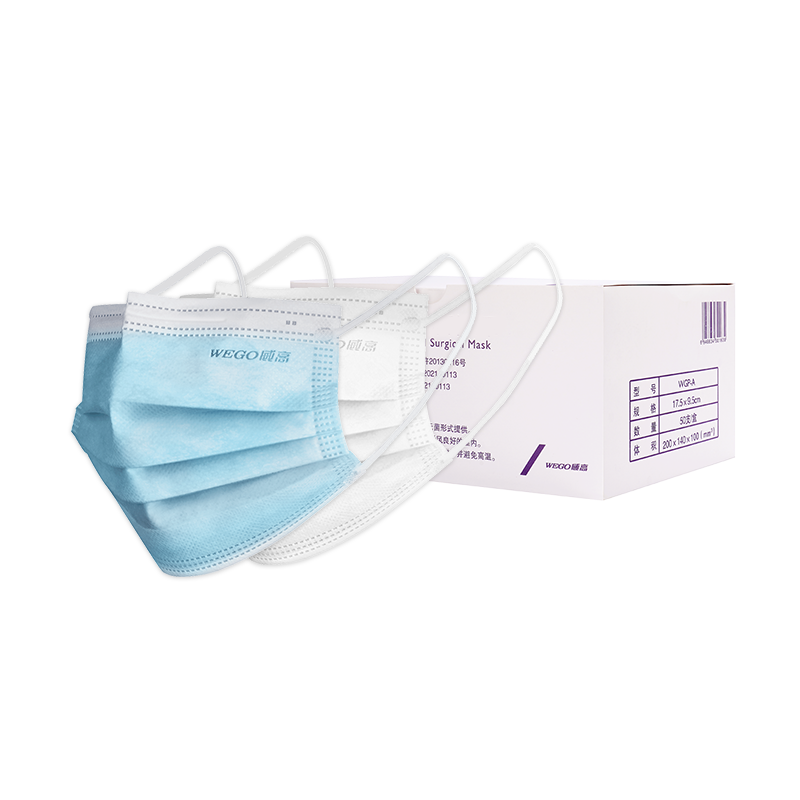
For those seeking quality and reliability, look no further than WEGO Medical. Together, we can embrace a brighter, more efficient healing journey!