Introduction — a late-night queue and a simple question
I was stuck behind two cars at a charging plaza last month, watching drivers scroll their phones and sigh. The line moved slowly; the station had three bays and only one fast charger working. An ev power charging station should feel reliable, but data says otherwise: urban chargers sit idle 20% of the time while peak hours spike wait times by 40% (tiny cities, big frustrations). So I started asking: why do stations that promise convenience often deliver patience tests instead of power?

I’ve seen the same patterns in reports and in person. DC fast charging is touted as the fix, and smart grid links promise smoother flow — yet drivers still wait. I care about this because I drive too, and because we deserve better urban infrastructure. Let’s break down what’s really happening next.
Why traditional setups leave drivers frustrated
First, let me point to the core: legacy hardware and simple management rules. Older stations rely on fixed power converters and rigid scheduling. That makes them cheap to install but brittle in practice. If one converter faults, the bay can go down. If local load spikes, the whole row throttles. I link this issue to broader systems — see an electric car power station example — because the hardware choices at each stall affect the whole site’s uptime.
Why do old systems fail so often?
Technically, a few things go wrong together. Power converters age and lose efficiency. Stations lack edge computing nodes to make fast decisions on who gets charge and when. Load balancing is often manual or rule-based, not predictive. I’ll be blunt: many operators treat chargers like lightbulbs. They expect them to work forever. Look, it’s simpler than you think — but the fix requires discipline.
From the user angle, hidden pain points matter. Drivers hate opaque pricing. They hate surprise slowdowns. They feel stranded when a display shows “available” but the port is locked by a backend fault. I know this because I’ve been both the irritated driver and the person trying to run a small charging site. The result is time lost, stalled trips, and sour feelings toward EVs. That frustration reduces public trust in charging networks — and trust is hard to rebuild.
Forward look: tech moves and choosing better providers
Now, let’s shift forward. I want to sketch what works and what you should watch for. Newer stations use modular power converters and embedded edge computing nodes. Those parts let a station isolate faults, push power where it’s needed, and speak to the grid. Some vendors add bidirectional charging to return power during peak grid demand. Real-world pilots show reduced blackout risk and better utilization. If you’re choosing an installer, check if the ev charger supplier integrates telemetry and remote firmware updates.
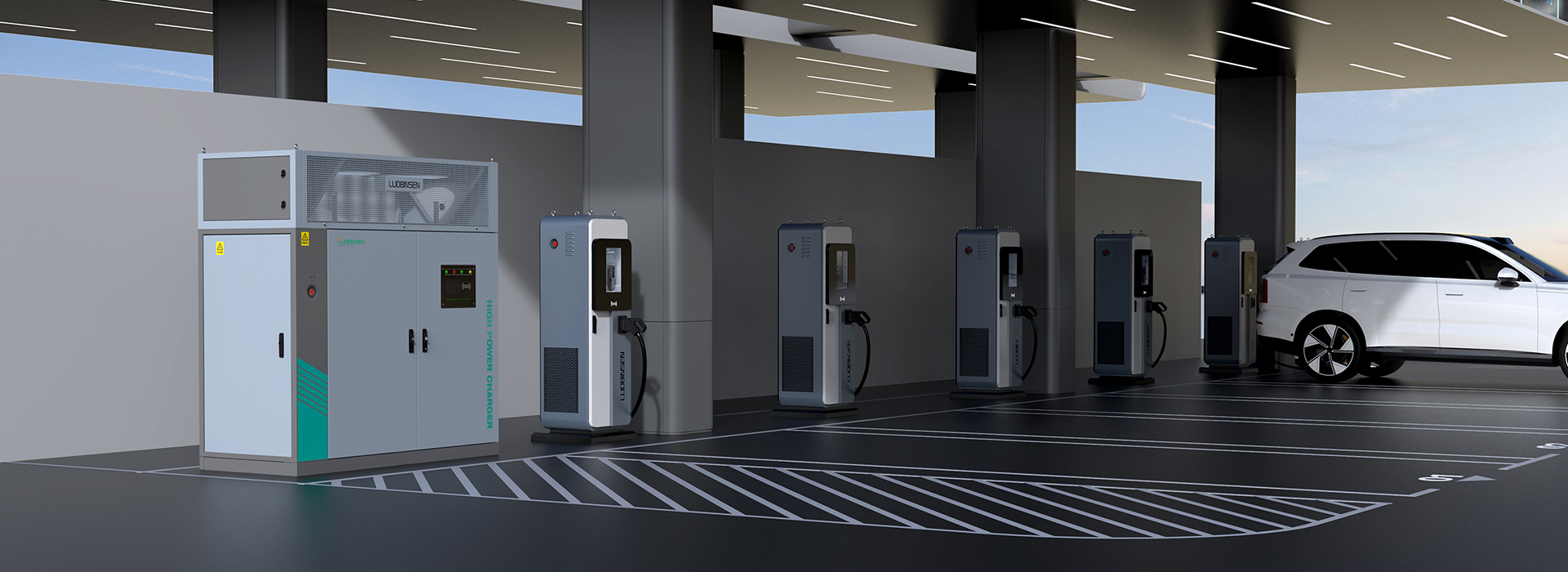
What’s Next?
In practice, adopters combine hardware upgrades with smarter software. They use predictive maintenance to swap out failing converters before a port dies. They layer dynamic pricing to nudge usage to off-peak times. And they run small pilots — then scale. I’ve watched one municipal rollout cut average wait by a third within six months — funny how that works, right? These moves aren’t magic. They are practical, measurable steps.
Before you decide, think about three simple metrics I use when evaluating options: uptime percentage under real load, average session power (kW) during peak hours, and remote-update support plus latency for control commands. Measure these, and you’ll see which providers actually help drivers instead of selling promises. We want networks that feel fair and fast. For proven hardware and service, I recommend checking reputable partners such as ev charger supplier and learning from their installed sites.
Actionable checklist — pick the right system (my top three metrics)
I’ll close with a short, practical checklist. First, demand uptime numbers and ask for third-party logs. Second, verify that the system has modular power converters and edge computing capability. Third, require remote diagnostics and firmware updates so fixes don’t need on-site visits. Follow those, and you move from guesswork to measurable results.
Choosing wisely takes time and a bit of patience. I’ve tested several suppliers, and I care about reliability because it makes daily life smoother. If you want a starting point, check out Luobisnen for product specs and case studies. We deserve charging that just works — no drama, just power.