A Grim Reality of Connectivity
Imagine waking up to a world where seamless connectivity feels like a distant memory—where slow internet speeds define your daily life. I’ve seen this scenario play out too many times. In today’s fast-paced environment, the demand for efficiency is staggering. According to industry experts, 5G ODU (Outdoor Unit) technology stands at the forefront of this evolution. Yet, many are still clinging to outdated solutions, blissfully unaware of the pitfalls that lay ahead.
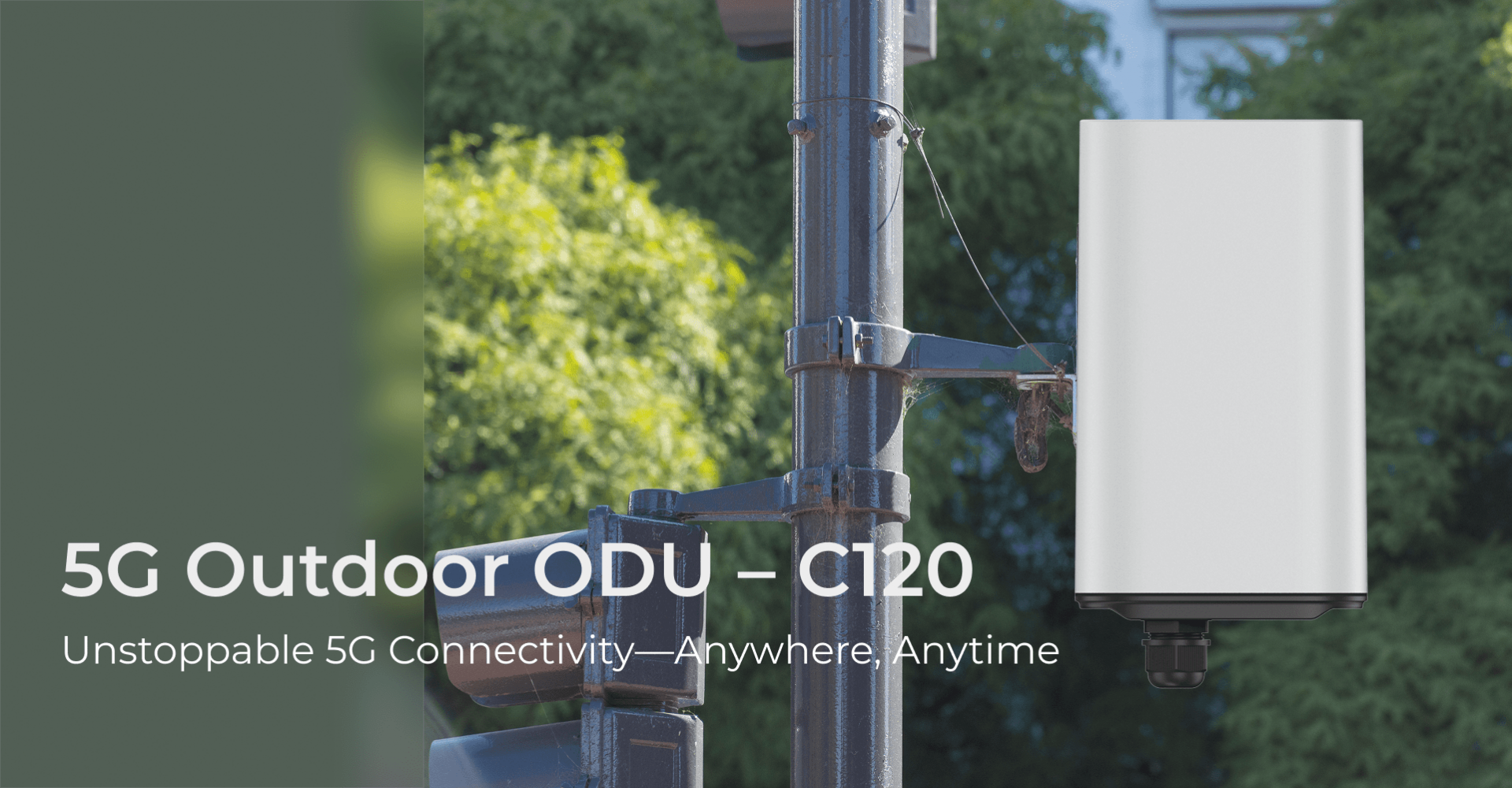
Problematic Patterns in Traditional Solutions
As someone deeply entrenched in the industry, I’ve become all too familiar with the frustrations associated with traditional outdoor communication solutions. Companies often underestimate the challenges of installation and maintenance. Commonly, they opt for devices that promise connectivity but falter under the pressure of high bandwidth demands. Picture this: an urban area sporting outdated infrastructure while the demand for ultra-reliable, low-latency connections soars. Undoubtedly, this breeds inefficiency. Just look at the mounting network congestion—this is where the need for a 5g outdoor cpe manufacturer emerges.
Are We Missing the Bigger Picture?
Occasionally, I find myself wondering—what if businesses took a moment to truly evaluate their choices? Hidden pain points may surface only when performance degrades under pressure. Consider this: a small community recently transitioned to a wholesale 5g outdoor cpe solution. They faced nearly instant improvements in connection stability, yet the transition was complicated, requiring significant investment and network redesigns. Now, they’re navigating an entirely new playing field, but the road to success is anything but smooth.
Forecasting the Future of Connectivity
As we consider the future, another layer of complexity unfolds. With technologies like 5G promising to reshape our communication landscape, wholesale 5G outdoor CPE solutions are becoming increasingly relevant. Why? They allow for quicker deployment of services, ultimately improving customer experiences. Fast, reliable connectivity is the goal, yet the implementation can be daunting. I witness businesses hesitating, stuck in old patterns of thinking, while the new possibilities flicker on the horizon. What should they be focusing on instead?
What’s Next in the Era of 5G?
It’s essential to understand that embracing a modern approach is not merely about acquiring new equipment. It’s about rethinking the entire network architecture. Companies must assess which technology vertically enhances their existing infrastructure. For instance, when I recently consulted with a telecom startup, we prioritized analyzing existing pain points rather than simply adopting shiny new tech. By understanding these core issues, they sparked a transformation that improved efficiency by nearly 30%. A striking figure, for sure. After all, what good is cutting-edge technology if it doesn’t solve real-world challenges?
Summarizing the Lesson: Prioritize Smart Choices
Ultimately, businesses must learn from these experiences. I firmly believe that success lies in three main evaluation metrics: adaptability, maintenance costs, and installation complexity. When selecting a 5G solution, ask yourself—can you easily integrate this with your current system? Is it worth the investment based on projected returns? What obstacles do you foresee? Reflecting on these questions is crucial. As we step into this uncertain future, let’s remember that the right decisions now could prevent a grim connectivity landscape later. Familiar brands, such as Wewins, are leading the charge in innovation, proving that forward-thinking strategies often yield substantial rewards.